Owning a car is convenient, but it also comes with ongoing responsibility. Many of the most expensive repairs don’t happen suddenly—they’re the result of small issues that were ignored over time. The good news is that with a few consistent maintenance habits, you can avoid major breakdowns, reduce repair costs, and significantly extend the life of your vehicle.
This guide breaks down practical, easy-to-follow maintenance tips that help keep your car running smoothly for years.
Why Preventive Maintenance Matters
Preventive maintenance is all about catching minor problems before they turn into major ones. A neglected oil change or worn-out tire might not seem urgent today, but over time, these small oversights can lead to engine damage, poor fuel efficiency, or even safety risks.
Regular upkeep not only saves money but also improves performance, reliability, and resale value. Think of it as an investment rather than an expense.
Stay Consistent with Oil Changes
Engine oil is the lifeblood of your car. It lubricates moving parts, reduces friction, and helps regulate temperature. Over time, oil breaks down and becomes less effective, which can lead to engine wear.
Check your owner’s manual for the recommended oil change interval, but a general guideline is every 3,000 to 7,500 miles depending on your vehicle and oil type.
Ignoring oil changes can result in:
- Engine overheating
- Sludge buildup
- Reduced fuel efficiency
- Costly engine damage
Keeping fresh oil in your engine is one of the simplest and most impactful maintenance steps you can take.
Monitor Tire Health and Pressure
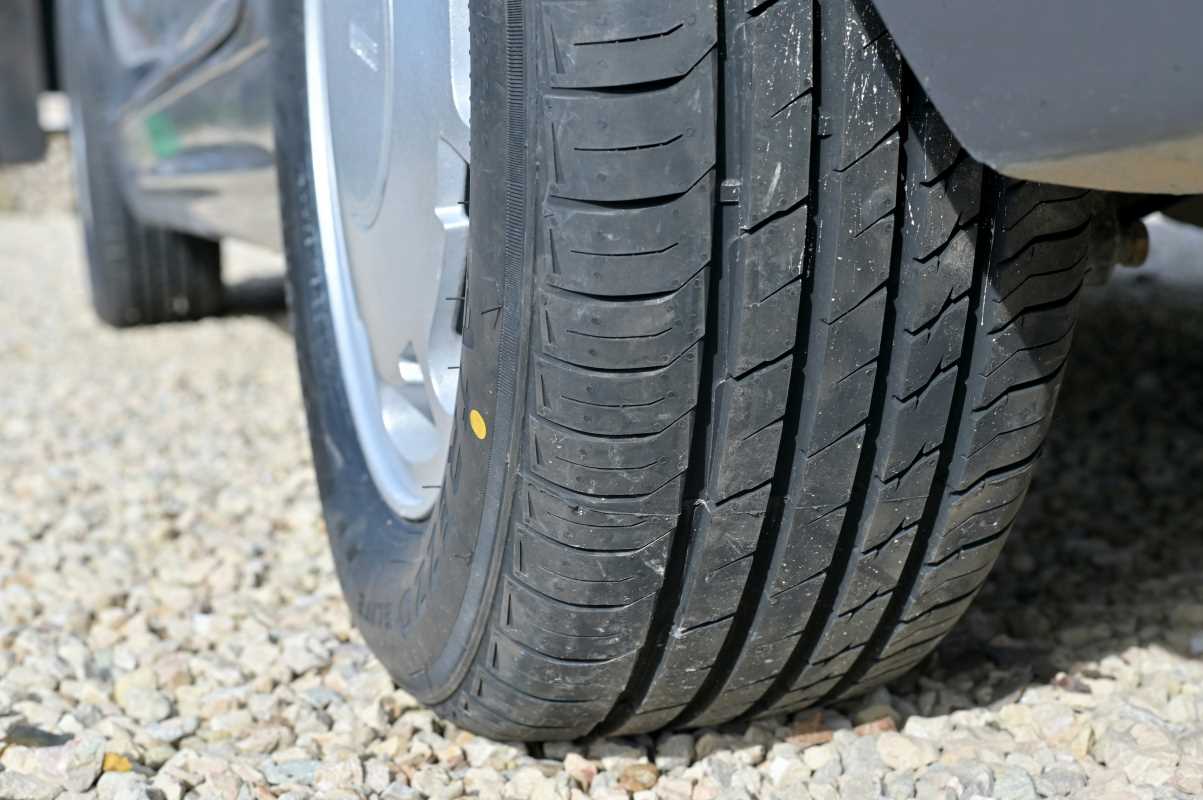
Your tires are your car’s only contact with the road, so maintaining them properly is essential for both safety and performance.
Make it a habit to:
- Check tire pressure at least once a month
- Rotate tires every 5,000 to 8,000 miles
- Inspect tread depth and wear patterns
Underinflated tires can reduce fuel efficiency and increase wear, while overinflated tires can affect handling. Properly maintained tires last longer and help prevent blowouts.
Don’t Ignore Warning Lights
Dashboard warning lights are your car’s way of communicating with you. Ignoring them can turn a minor issue into a major repair.
If you see a check engine light, don’t panic—but don’t ignore it either. It could be something simple like a loose gas cap or something more serious like a sensor or engine issue.
Addressing warning signs early can save you from expensive diagnostic and repair costs later.
Replace Air Filters Regularly
Your engine and cabin air filters play an important role in maintaining efficiency and air quality. A clogged engine air filter restricts airflow, which can reduce engine performance and fuel economy.
Typically, air filters should be replaced every 12,000 to 15,000 miles, but this can vary based on driving conditions.
A clean air filter helps your engine “breathe” better, improving both performance and longevity.
Keep an Eye on Fluids
Your car relies on several fluids to function properly, and low or dirty fluids can lead to serious damage.
Key fluids to check include:
- Engine coolant
- Brake fluid
- Transmission fluid
- Power steering fluid
- Windshield washer fluid
Make it a habit to inspect fluid levels periodically and top them off or replace them as needed. Clean, properly maintained fluids keep systems running smoothly and prevent overheating or failure.
Maintain Your Braking System
Brakes are one of the most critical safety components of your vehicle. Worn brake pads can damage rotors, leading to more expensive repairs.
Pay attention to warning signs like:
- Squeaking or grinding noises
- Reduced braking performance
- Vibrations when braking
Replacing brake pads early is far less expensive than replacing the entire braking system.
Protect Your Battery
A dead battery can leave you stranded at the worst possible time. Car batteries typically last 3 to 5 years, but factors like extreme temperatures and driving habits can shorten their lifespan.
To extend battery life:
- Check for corrosion on terminals
- Ensure the battery is securely mounted
- Turn off lights and electronics when the engine is off
If your car struggles to start, it may be time to test or replace the battery.
Pay Attention to Belts and Hoses
Belts and hoses are often overlooked, but they are essential to your engine’s operation. A worn or cracked belt can snap, causing significant engine damage.
Inspect belts and hoses periodically for:
- Cracks or fraying
- Leaks or bulging
- Unusual noises
Replacing these components before they fail can prevent costly repairs and unexpected breakdowns.
Keep Your Car Clean—Inside and Out
Regular cleaning isn’t just about appearance. Dirt, salt, and debris can damage your car’s paint and undercarriage over time, leading to rust and corrosion.
Washing your car regularly, especially during winter months, helps protect its exterior. Cleaning the interior also preserves materials and maintains a comfortable driving environment.
A well-maintained appearance can also boost resale value.
Drive Smoothly and Responsibly
Your driving habits have a direct impact on your car’s longevity. Aggressive driving—such as rapid acceleration, hard braking, and speeding—puts extra stress on your engine, transmission, and brakes.
Adopting smoother driving habits can:
- Reduce wear and tear
- Improve fuel efficiency
- Extend the life of key components
Think of it as preventative care every time you’re behind the wheel.
Follow Your Manufacturer’s Maintenance Schedule
Every vehicle comes with a recommended maintenance schedule outlined in the owner’s manual. This schedule is designed specifically for your car’s make and model.
It typically includes:
- Oil change intervals
- Fluid replacements
- Timing belt inspections
- Spark plug replacements
Sticking to this schedule ensures that your car receives the care it needs at the right time.