 (Image via
For athletes managing demanding professional and personal schedules, adherence to traditional, high-volume training protocols can be untenable. The temporal constraints of modern life often conflict with the requirements for consistent athletic development. In response to this challenge, the methodology of micro-training has emerged as a viable and effective solution. Micro-training is defined as the implementation of short-duration, high-intensity, or highly focused training sessions integrated throughout a daily or weekly schedule.
This analysis provides a structured overview of the principles of micro-training, its scientifically supported benefits, and practical frameworks for its application across various athletic disciplines. The objective is to provide time-constrained athletes with a clear, actionable guide to maintaining and enhancing performance despite a limited time budget.
The Core Principles of Micro-Training
Micro-training operates on the principle that the cumulative effect of frequent, targeted training stimuli can elicit significant physiological and neurological adaptations. This contrasts with the traditional model of prolonged, exhaustive sessions performed less frequently. The efficacy of this approach is contingent on several key principles:
- High Specificity: Each micro-session must have a singular, well-defined objective. This could be the development of a specific motor skill, the stimulation of a particular energy system, or the strengthening of a targeted muscle group. Diffuse, unfocused sessions yield negligible results.
- Optimal Intensity: To compensate for reduced duration, the intensity of the micro-session must be sufficiently high to trigger an adaptive response. This requires working at a significant percentage of one's maximal capacity for the given exercise.
- Strategic Frequency: The primary advantage of micro-training is the ability to increase training frequency. By distributing training load across multiple short sessions, an athlete can achieve a greater total volume and more frequent stimulation than would be possible with fewer, longer workouts.
The Benefits of Micro-Training Protocols
The adoption of a micro-training regimen offers several distinct advantages over conventional training structures, particularly for the busy athlete.
- Enhanced Consistency and Reduced Barrier to Entry: The psychological barrier to starting a 15-minute workout is substantially lower than that of a 90-minute session. This ease of initiation leads to greater overall consistency, which is a primary determinant of long-term progress. An athlete is more likely to complete multiple short sessions per week than to consistently find time for lengthy ones.
- Targeted Skill and Fitness Development: The focused nature of micro-sessions allows for dedicated practice of specific skills or physiological attributes without the compounding fatigue of a longer workout. This is particularly beneficial for technical sports where motor pattern reinforcement is critical. An athlete can dedicate one session solely to perfecting a golf swing or a tennis serve, allowing for higher-quality repetitions.
- Improved Recovery and Reduced Overtraining Risk: By distributing training stress more evenly throughout the day or week, micro-training can mitigate the risk of overtraining associated with single, exhaustive sessions. Shorter durations place less systemic load on the body, allowing for more rapid recovery between efforts and reducing the likelihood of non-functional overreaching.
Sample Micro-Training Frameworks
The following frameworks provide examples of how micro-training can be structured to target specific fitness goals. These are designed to be completed in 15-25 minutes.
1. Strength Development Protocol
This protocol is designed for athletes seeking to maintain or increase maximal strength. It utilizes low repetitions and high intensity.
- Objective: Neuromuscular adaptation and strength gain.
- Session Structure:
- Warm-up (5 minutes): Dynamic stretching and movement preparation (e.g., bodyweight squats, arm circles).
- Primary Lift (15 minutes): Select one compound exercise (e.g., Deadlift, Overhead Press, or Squat). Perform 5 sets of 3-5 repetitions at 80-90% of your one-repetition maximum (1RM). Rest 2-3 minutes between sets.
- Cool-down (5 minutes): Static stretching of worked muscles.
2. Endurance and Cardiovascular Protocol
This protocol utilizes High-Intensity Interval Training (HIIT) to improve VO2 max and anaerobic threshold.
- Objective: Enhancement of cardiovascular and metabolic function.
- Session Structure:
- Warm-up (3 minutes): Light jogging or cycling.
- Intervals (12 minutes): Select a modality (e.g., stationary bike, rowing machine, running). Perform 8 rounds of:
- 60 seconds at high intensity (90% of max effort).
- 30 seconds of active recovery (low intensity).
- Cool-down (5 minutes): Slow walking and light stretching.
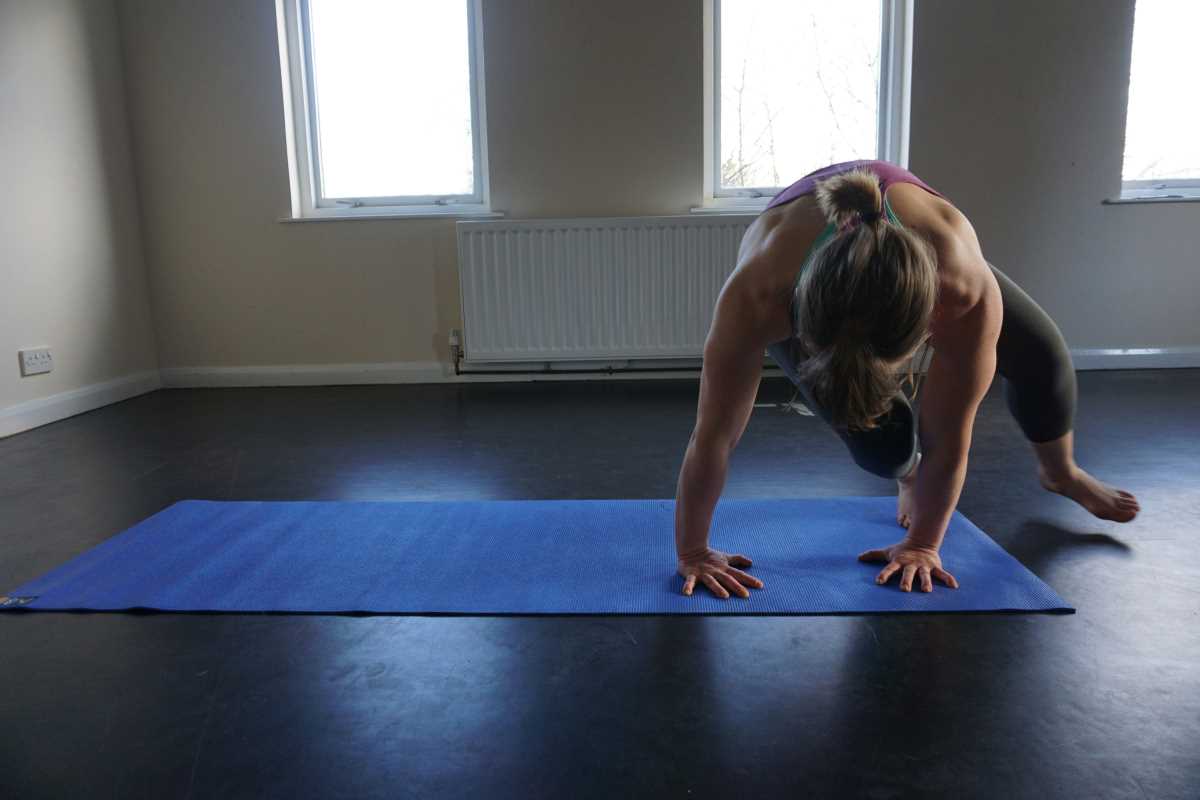
3. Flexibility and Mobility Protocol
This protocol is designed to improve range of motion, aid recovery, and reduce injury risk.
- Objective: Increase joint mobility and tissue extensibility.
- Session Structure:
- Dynamic Warm-up (5 minutes): Full-body movements such as leg swings, torso twists, and cat-cow stretches.
- Targeted Mobility Work (15 minutes): Focus on 2-3 areas of concern (e.g., hips, shoulders, thoracic spine). Perform a series of mobility drills such as:
- Hip 90/90 rotations.
- Shoulder pass-throughs with a band.
- Foam rolling of the thoracic spine.
- Static Stretching (5 minutes): Hold stretches for 30-60 seconds for major muscle groups.
Implementation and Progress Tracking
The effective integration of micro-training into a daily routine requires strategic planning and consistent monitoring.
- Time Management Strategy ("Schedule Stacking"): Athletes must identify and schedule these short sessions in their calendars as immutable appointments. A common strategy is "schedule stacking," where a micro-workout is appended to an existing daily habit. For example, a 15-minute mobility session can be performed immediately upon waking, or a strength session can be scheduled directly before a lunch break.
- Progress Tracking Tools and Methodologies: To ensure efficacy, progress must be meticulously tracked. Utilize a training log (digital or physical) to record exercises, sets, repetitions, and weight for strength sessions. For endurance sessions, track intervals, duration, and perceived exertion. This data is essential for implementing progressive overload, which is the gradual increase of stress placed upon the body during training. Without progressive overload, performance will stagnate.
- Equipment and Environment Preparation: To minimize friction, the environment and equipment for each session should be prepared in advance. If a session is planned for the morning, lay out apparel and any necessary equipment the night before. This removes decision-making and reduces the activation energy required to begin the workout.